How to Clean Up After Pets: A Room-by-Room Routine
In this article
- Quick Answer: Your Room-by-Room Pet Cleanup Routine
- Before You Start: What You'll Need
- The Room-by-Room Routine
- 1. Living Room and Common Areas: Start With the Fur Magnets
- 2. Kitchen and Dining: Litter Scatter and Food Spills
- 3. Bathrooms and Laundry Room: The Litter Box Zone
- 4. Bedrooms: Where Pets Sleep (and Shed)
- 5. Stairs and Hallways: The High-Traffic Connectors
- Common Pitfalls (and How to Fix Them)
- Skipping the Dry Pass Before Wet Cleaning
- Using the Wrong Tool on the Wrong Surface
- Letting the Litter Box Area Slide
- Assuming One Pass Per Room Is Enough
- Our Picks: Two Tools That Make This Routine Faster
- Best for Whole-Floor Cleanup: Bissell CrossWave Pet Pro
- Best for Furniture and Stairs: Bissell Pet Hair Eraser Hand Vacuum
- FAQ
- How often should I run the full room-by-room routine?
- Can I use the same vacuum on hardwood and carpet?
- What is the fastest way to clean pet hair off a couch?
- Does enzyme cleaner really work better than regular spray for accidents?
- How do I stop litter from spreading all over the house?
- My robot vacuum runs daily. Do I still need a separate routine?
- Final Thoughts
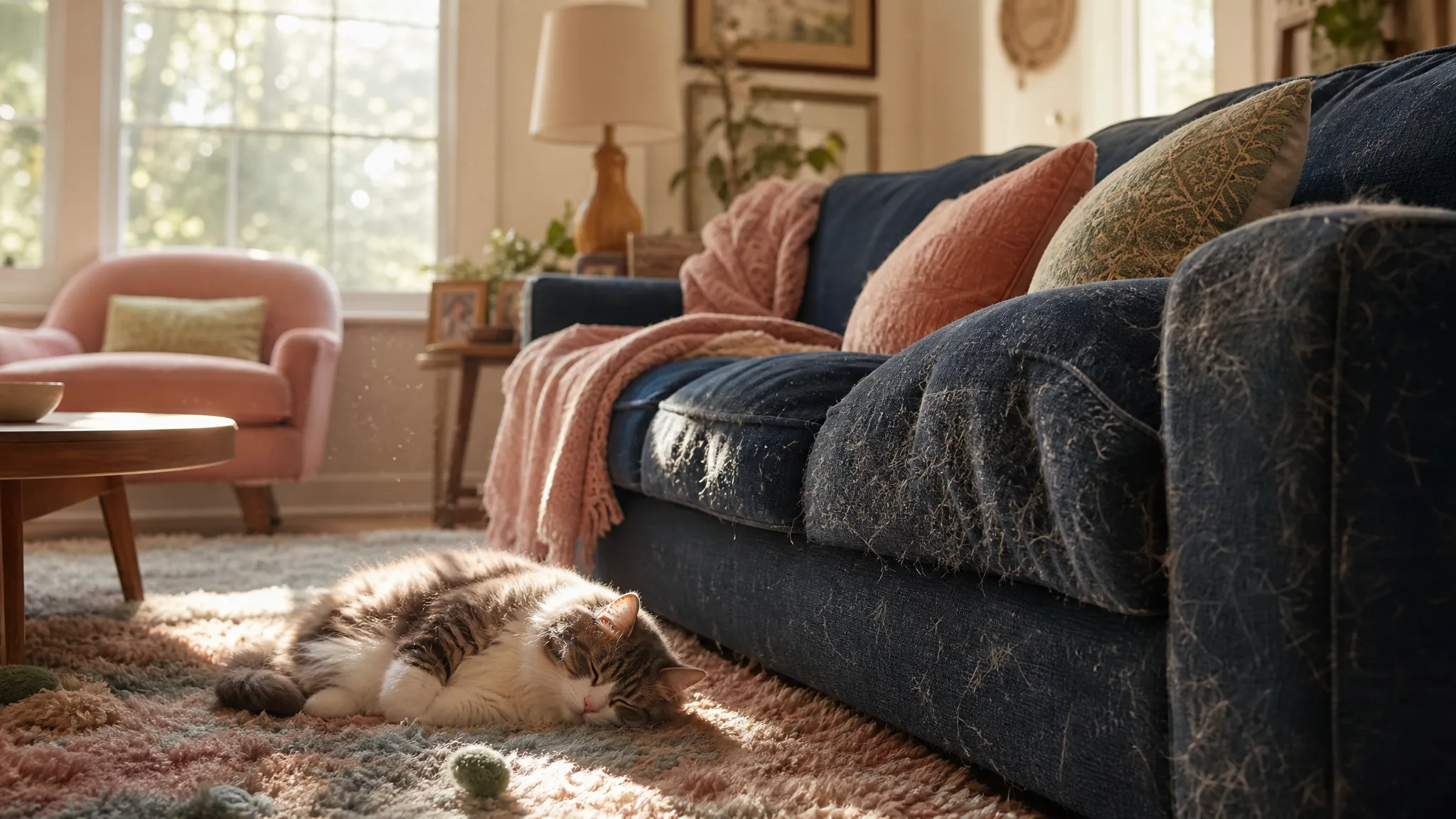
You walk into the living room after a long day, and the afternoon sun catches every single hair your three cats left on the navy sofa. The litter box trail extends three feet past the mat. In the corner, someone (you have your suspicions) left a small accident near the back door. You did not sign up to spend every evening chasing fur tumbleweeds across the house.
Many pet owners find keeping ahead of pet mess a constant challenge. After months of trial and error, a room-by-room system has emerged that keeps things under control without taking over your evening. This guide walks you through that exact routine, highlighting two tools that make the biggest difference.

Quick Answer: Your Room-by-Room Pet Cleanup Routine
- Living room first: it is the fur epicenter. Start with upholstery, then rugs, then hard floors. A motorized handheld brush gets hair out of couch cushions in a few passes where a flat nozzle fails.
- Kitchen and dining next: litter scatter and food crumbs collect along baseboards. A wet-dry combo cuts your floor time in half here since it vacuums crumbs and mops kibble dust in one go.
- Bathrooms and laundry room: this is the litter box zone. Scoop daily, vacuum the surrounding floor, and wipe down walls near the box once a week.
- Bedrooms: focus on where pets sleep. A quick pass with a lint roller on bedding plus a vacuum on any rugs handles most of it.
- Stairs and hallways last: these high-traffic connectors collect hair from every room. A cordless handheld handles them without dragging a full-size machine up and down.
Before You Start: What You'll Need
The right tools turn a 90-minute scramble into a 30-minute routine. Vacuums and floor care gear based on owner feedback show that for a multi-pet household, these are the essentials:
- A primary floor machine that handles both dry debris and wet messes. For mostly hard floors, a wet/dry vacuum that vacuums and mops simultaneously saves a genuine amount of time. See our top picks for hard-floor homes.
- A cordless handheld vacuum for furniture, stairs, and spot cleanups. A handheld vacuum kept on its charging dock and ready to grab quickly is used far more often than one stored away.
- Microfiber cloths and an enzyme cleaner for accidents. Enzyme cleaners break down proteins in pet urine so odors do not linger and attract pets back to the same spot.
- A lint roller or pet hair sponge for bedding and clothing. Faster than pulling out a vacuum for a single duvet.
- A good litter mat placed under and in front of the box. The best mats trap litter inside a honeycomb layer instead of letting it bounce onto the floor.
The Room-by-Room Routine
1. Living Room and Common Areas: Start With the Fur Magnets
The living room is where pet hair builds up fastest. Couches, area rugs, and throw pillows all act like fur magnets, and this is also where guests sit. Starting here makes the rest of the house feel cleaner as you go.
Vacuum upholstery first, before floors. A motorized brush tool on couch cushions and armrests pulls embedded hair out in a few passes where a flat nozzle skims over it. Pay attention to the seam where the back cushion meets the seat, a spot often missed.
Next, vacuum area rugs and any carpet. High-pile rugs benefit from vacuuming in two directions, since pet hair twists around fibers and a single pass misses some. Finish with hard floors around rug edges.

If pets have a favorite sofa spot, a washable cover tossed in the laundry weekly is the easiest way to keep the couch from turning into a fur block.
2. Kitchen and Dining: Litter Scatter and Food Spills
Kitchen floors in pet homes collect a mix of kibble crumbs, litter tracked in, water bowl splashes, and occasional overturned food dishes. A machine that handles both dry and wet messes in one pass changes the cleaning routine significantly.
Sweep or vacuum loose debris first, then mop. Using a wet/dry combo combines these steps, cutting daily kitchen floor time roughly in half. Pay extra attention to toe kick areas under cabinets where crumbs and hair collect. A swivel head helps trace cabinet lines without repositioning.
Wipe down areas around food and water bowls every other day. Water splashes mixed with dust form a thin grime layer that regular mopping alone does not fully remove.
3. Bathrooms and Laundry Room: The Litter Box Zone
Bathrooms or laundry rooms housing litter boxes require daily attention. Scoop the box at least once a day (twice with multiple cats). Vacuum or sweep the floor around the box every time you scoop. Litter granules migrate farther than they appear, and walking on them grinds them into fine dust that spreads through the house.
Once a week, wipe down walls and baseboards near the litter box. Cats kick up fine dust that settles on vertical surfaces. A damp microfiber cloth handles this quickly. If the laundry room doubles as the litter room, keep washer and dryer doors closed to prevent litter dust on clean clothes.
4. Bedrooms: Where Pets Sleep (and Shed)
Bedrooms require less daily work than common areas but a more thorough weekly pass. Focus on where pets sleep: foot of the bed, a dog bed, or a favorite chair. Hair and dander concentrate here and embed in fabric over time.
Use a lint roller or pet hair sponge on duvets and pillow shams every few days to prevent visible layers. Vacuum pet beds with an upholstery tool; wash removable covers every two weeks. A quick vacuum pass around the bed frame and baseboards catches overnight settled hair.
5. Stairs and Hallways: The High-Traffic Connectors
Stairs collect hair from every room because pets and people track it through hallways all day. These narrow spaces are difficult to clean with full-size vacuums, which leads many to skip them.
A cordless handheld vacuum is ideal. It is light enough to carry one-handed while cleaning each tread, and a motorized brush head handles carpeted stairs in a single pass per step. Some models handle 16 stairs plus a landing on one charge and recharge in a few hours on the dock, making them ready for quick passes. Cleaning stairs and hallways twice a week prevents hair buildup from becoming a project.
Common Pitfalls (and How to Fix Them)
Skipping the Dry Pass Before Wet Cleaning
Going straight to mopping or using a wet-dry machine on floors covered in loose hair and litter turns debris into a wet, smeared paste. This clogs machines and leaves streaks. A quick dry pass first (even 30 seconds with a cordless stick) prevents this.
Using the Wrong Tool on the Wrong Surface
A motorized brush roll effective on medium-pile rugs can shut off on Velcro-backed rug trims or catch on loose carpet edges. A flat nozzle meant for bare floors will not pull embedded fur from upholstery. Matching attachments to surfaces makes cleaning faster and less frustrating.
Letting the Litter Box Area Slide
Scooping the box but skipping the floor around it is a common shortcut. Litter scatter grinds into dust underfoot, spreads to adjacent rooms, and the area looks neglected again within a day. A cordless handheld vacuum parked near the litter box makes quick floor passes easy to maintain.
Assuming One Pass Per Room Is Enough
On high-pile rugs and thick carpet, pet hair wraps around fibers at different angles. A single vacuum pass removes about 70 percent. Vacuuming in two directions (north-south, then east-west) captures the rest. In multi-pet homes, this is necessary for thorough cleaning.
Our Picks: Two Tools That Make This Routine Faster
Best for Whole-Floor Cleanup: Bissell CrossWave Pet Pro

Bissell
Bissell Crosswave Pet Pro Wet Dry Vacuum and Mop, Tangle-Free Brush Roller for Pet Hair, All-in-One Deep Cleaning for Hard Floors and Area Rugs, 2306A
Best for
Pet owners with mostly hard floors who want to combine daily vacuuming and light mopping into one pass, not for anyone expecting carpet shampooing or wanting minimal post-cleanup.
This CrossWave moves the stick vacuum needle for multi-pet tile and laminate homes by combining a vacuum and mop pass in one go, with a hair strainer that keeps the roller clear even in German Shepherd households. The mop function fades relative to a traditional mop for weekly deep scrubs, and the machine demands a thorough multi-step rinse after every single use.
Loved by buyers
- •Combines vacuuming and mopping in one pass, cutting daily floor time roughly in half for hard-floor pet homes
- •Tangle-free roller and built-in hair strainer handle heavy shedding without stopping to clear jams
- •25-foot cord and swivel head cover kitchen, dining, and living room without re-plugging
Buyer concerns
- •Roller cannot reach the last inch at baseboards; a separate cloth pass along edges is still needed
- •Every session ends with a multi-step cleanup of tanks, roller, and filter or the machine smells and struggles next time
- •Going too fast leaves streaks; the dirty brush can fling muddy water back onto clean floors during a heavy session
For homes with mostly hard floors, the Bissell CrossWave Pet Pro combines vacuuming and mopping in a single pass, cutting daily kitchen and dining room floor time roughly in half. Its tangle-free roller and built-in hair strainer handle heavy shedding from multiple dogs without stopping mid-session to clear wrapped hair. The 25-foot cord and swivel head cover open-plan living areas without re-plugging. It leaves a narrow strip along baseboards unreached, so a quick cloth pass along edges is still recommended. Thorough rinsing of tanks, roller, and filter after each session prevents odors and performance issues. See our full wet-dry showdown for a comparison.
Best for Furniture and Stairs: Bissell Pet Hair Eraser Hand Vacuum

Bissell
Bissell Pet Hair Eraser Cordless Hand Vacuum, Lithium Ion, Home, Auto, and Pet Vacuum, Easy-Empty Dirt Bin, Upholstery Tool, Brush Tool, and Crevice Tool Included, 2390A
Best for
Pet owners who need a charged-and-ready handheld for couches, fabric chairs, and stair carpets, not for car detailing or thick shag rugs.
A 4.6 average across nearly 38,000 reviews puts this Bissell handheld at the top of its category, with five-plus years of daily multi-cat use documented in multiple reviews. It is built for furniture and stairs, and buyers who point it at car carpet or shag rugs reliably leave disappointed.
Loved by buyers
- •Motorized brush head pulls pet hair from couch cushions in two to five passes where a flat nozzle fails
- •Battery handles 16 stairs plus a landing on a single charge and recovers fully in a few hours on the dock
- •Large easy-empty bin manages daily litter-scatter runs around a litter box without constant emptying
Buyer concerns
- •Short embedded pet hairs in low-nap vehicle carpet resist the motorized brush; a shop vac handles that job better
- •Velcro backing on rugs or carpeted stair trims can catch in the roller and trigger the auto-shutoff mid-use
This cordless handheld vacuum is ideal for frequent use. Its motorized brush head pulls embedded pet hair out of couch cushions in two to five passes where a flat nozzle would skim over it. It can clean 16 carpeted stairs plus a landing on one charge and recharges in a few hours on its dock. The bin is large enough for daily litter-scatter runs without mid-task emptying. It is designed for furniture, stairs, and fabric, not for car carpet or thick shag rugs. Owners using it on low-nap vehicle carpet or Velcro-backed rug trims report frustration. Keeping it on couches, chairs, and stair treads maximizes its usefulness. See our full handheld roundup for more options.

FAQ
How often should I run the full room-by-room routine?
Living areas and the litter box zone benefit from a daily quick pass (10 to 15 minutes). Bedrooms and stairs can be cleaned twice a week. A full deep routine, including baseboards and under furniture, once a week suffices for most multi-pet homes.
Can I use the same vacuum on hardwood and carpet?
Yes, but switching the brush roll or floor head between surfaces is necessary. A spinning brush roll on bare hardwood can scatter debris and scuff finishes. Most modern vacuums have dedicated hard-floor heads or a switch to stop the brush roll. Confirm your vacuum’s features before use on wood floors.
What is the fastest way to clean pet hair off a couch?
A cordless handheld with a motorized brush tool is most effective. Running it over cushions and armrests in two directions removes embedded hair. For fabrics that trap hair deeply (like velvet or microfiber), following up with a slightly damp rubber glove wiped in one direction causes hair to roll off. This process takes under two minutes per cushion.
Does enzyme cleaner really work better than regular spray for accidents?
Yes. Regular household cleaners mask odors but do not break down uric acid crystals that pets detect. Enzyme cleaners digest these proteins at a molecular level, preventing pets from returning to the same spot.
How do I stop litter from spreading all over the house?
Three strategies help: a honeycomb-style litter mat that traps granules inside, a covered litter box with the opening facing a wall (cats enter from the side, knocking litter off paws), and a cordless handheld vacuum near the box for quick floor passes when scooping. Combined, these keep litter contained to a small radius instead of spreading throughout the house.
My robot vacuum runs daily. Do I still need a separate routine?
Robot vacuums handle surface-level dust and hair on open floors well but do not clean upholstery, stairs, baseboards, or the litter box zone thoroughly. Robots serve as maintenance between manual passes, not replacements. Running the full room-by-room routine once or twice a week is recommended.
Final Thoughts
A multi-pet home will never be fur-free, and chasing perfection leads to burnout. The goal is not spotless but "company could walk in and you would not be mortified." This room-by-room routine achieves that in under 30 minutes a day once established, and the two recommended tools reduce the job’s friction.
For those struggling most with pet hair in upholstery, our step-by-step guide to removing pet hair from carpet and upholstery offers deeper insight. For a broader view on vacuums that handle heavy shedding best, see our roundup of the best vacuums for pet hair.
Ready to buy?
Bissell Crosswave Pet Pro Wet Dry Vacuum and Mop, Tangle-Free Brush Roller for Pet Hair, All-in-One Deep Cleaning for Hard Floors and Area Rugs, 2306A
In this article
- Quick Answer: Your Room-by-Room Pet Cleanup Routine
- Before You Start: What You'll Need
- The Room-by-Room Routine
- 1. Living Room and Common Areas: Start With the Fur Magnets
- 2. Kitchen and Dining: Litter Scatter and Food Spills
- 3. Bathrooms and Laundry Room: The Litter Box Zone
- 4. Bedrooms: Where Pets Sleep (and Shed)
- 5. Stairs and Hallways: The High-Traffic Connectors
- Common Pitfalls (and How to Fix Them)
- Skipping the Dry Pass Before Wet Cleaning
- Using the Wrong Tool on the Wrong Surface
- Letting the Litter Box Area Slide
- Assuming One Pass Per Room Is Enough
- Our Picks: Two Tools That Make This Routine Faster
- Best for Whole-Floor Cleanup: Bissell CrossWave Pet Pro
- Best for Furniture and Stairs: Bissell Pet Hair Eraser Hand Vacuum
- FAQ
- How often should I run the full room-by-room routine?
- Can I use the same vacuum on hardwood and carpet?
- What is the fastest way to clean pet hair off a couch?
- Does enzyme cleaner really work better than regular spray for accidents?
- How do I stop litter from spreading all over the house?
- My robot vacuum runs daily. Do I still need a separate routine?
- Final Thoughts
Keep reading
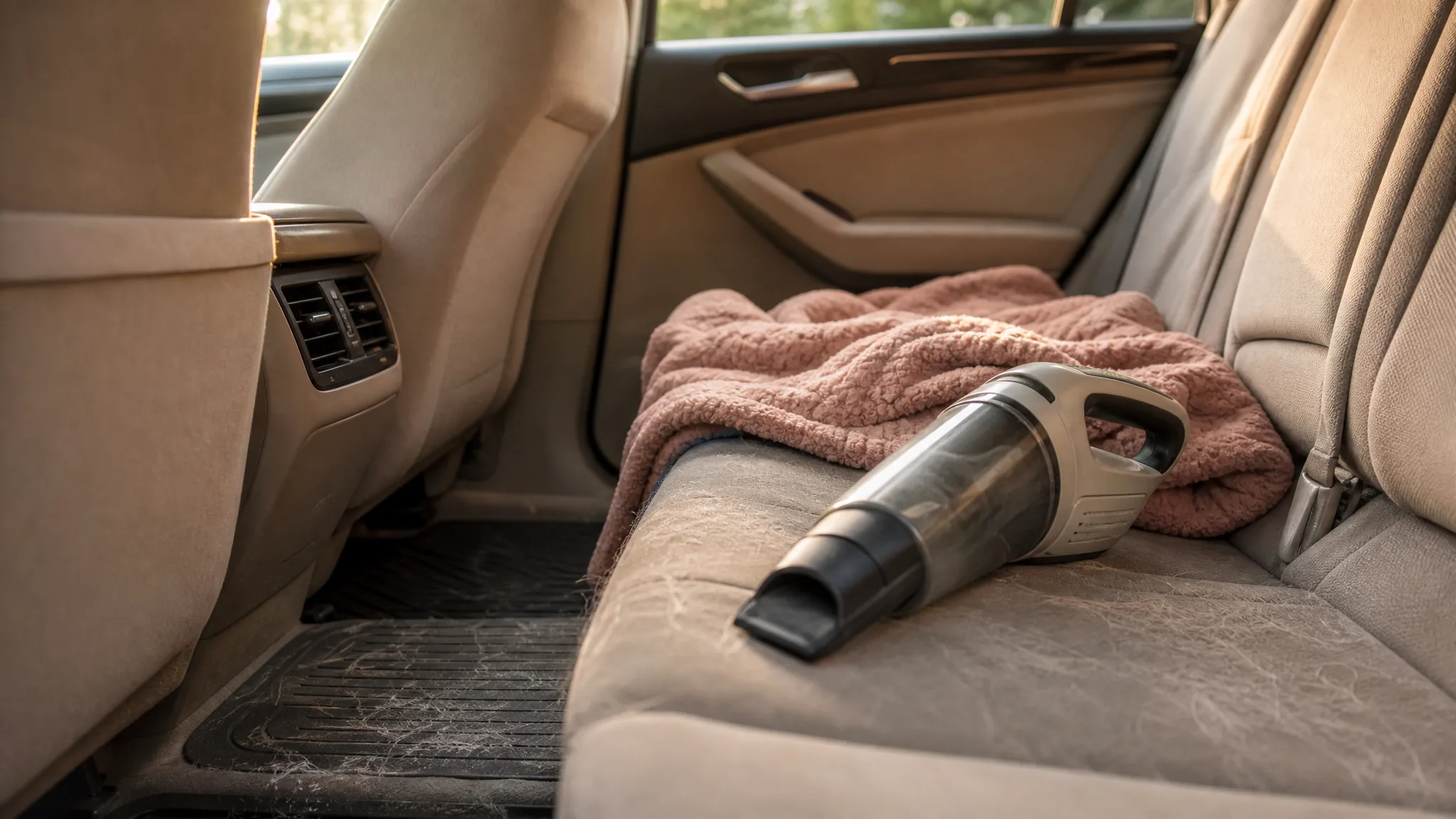
How to Vacuum Pet Hair Out of a Car (A Pet Parent's Guide)
Pet hair woven into car seats and floor mats won't lift with suction alone. Here's the loosen-then-lift method we use, plus three handheld vacuums that actually grip fur.
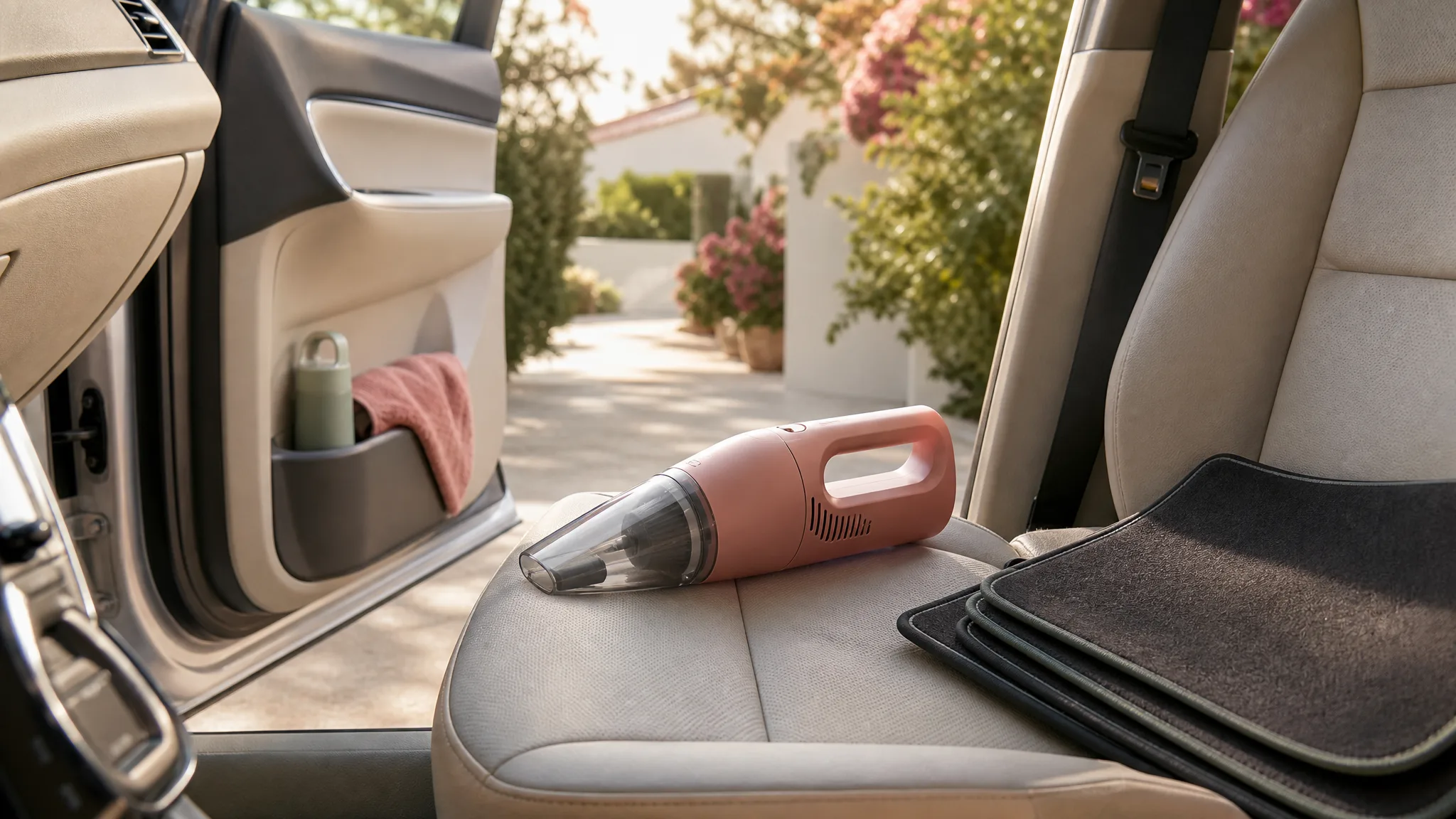
Fanttik V8 vs Black+Decker dustbuster: Which Car Vac Wins?
Slim USB-C Fanttik V8 APEX vs the classic BLACK+DECKER dustbuster 12V for car crumbs, mats, and crevices. Honest picks for who should buy which.

6 Best Cordless Handheld Vacuums for Everyday Quick Cleanups (2026)
We compared six cordless handheld vacuums on crumbs, pet hair, and car seats, from a budget grab-and-go to a Dyson built for detailing, and ranked the best for everyday messes.