Vacuum FAQ
Vacuum FAQ: straight answers to the questions we hear most
These are the questions readers ask us most often — about buying, upkeep, and getting more out of vacuums they already own. No filler. If you have a question that isn't here, send it our way and we may add it.
Is a cordless vacuum as good as an upright?
For most people in most homes: yes, with caveats. Modern flagship cordless models deliver suction performance that equals or beats midrange uprights on both carpet and hard floors. The tradeoff is run time — most cordless vacuums give you 30–60 minutes on a charge. If your budget is under $150, a corded upright will outperform what's available in cordless at that price. Over $250, cordless is genuinely competitive.
Does 'HEPA' on the box actually mean anything?
Sort of. In the US, 'HEPA' is not a regulated term for vacuum cleaners. A manufacturer can put 'HEPA' on the box as long as the filter media itself meets the H13 filtration standard — but the filtration system as a whole can still leak particles. Owner feedback often flags leaky seals even when the box says HEPA. If you have allergies, look for vacuums we've noted as 'sealed system' in reviews.
Can a robot vacuum replace my regular vacuum?
For maintenance, yes. For deep cleaning, no. A robot vacuum running every day or two keeps surface debris under control on hard floors. On medium-to-high pile carpet, robots struggle to agitate debris that's settled deeper into the fibers. If you have mostly hard floors, a good robot vacuum can handle 90% of your cleaning. If you have significant carpet, plan to supplement the robot with a stick or upright vacuum weekly.
What type of vacuum is best for pet hair?
It depends on where the pet hair is. For carpet, you want strong motorized brush roll agitation. Tangle-free or self-cleaning brush rolls are worth paying for if your pet sheds long hair. For hard floors, bare-floor suction mode makes a noticeable difference. For upholstery, a motorized mini-turbo tool attachment is the single most useful accessory.
How often should I replace my vacuum filter?
Most manufacturers recommend every 6–12 months for washable filters, but 'washable' doesn't mean indefinitely reusable — HEPA media degrades with each wash. For non-washable filters, once a year is a reasonable baseline if you vacuum weekly. Signs it's time: the vacuum smells musty even after cleaning the dustbin, or suction has declined noticeably and cleaning the bin and brush roll didn't fix it.
Bagged or bagless — which is better?
For people with allergies: bagged, without question. The bag acts as a secondary filter and disposal is completely contained. For everyone else: bagless is more convenient and cheaper to operate, but you need to be willing to clean the filter and dustbin regularly. If anyone in your home has allergies or asthma, look at Miele's bagged canister lineup.
How long does a cordless vacuum battery last before it needs replacing?
Most lithium-ion battery packs in premium cordless vacuums will hold adequate charge for 2–4 years of regular use. After that, you'll notice significantly reduced run times. Replacement batteries typically cost $40–$80. Practical tip: store cordless vacuums with the battery partially charged (40–60%) if you're not going to use them for a month or more, as full charge storage accelerates battery degradation.
What do suction power numbers (watts, Pa, AW) actually mean?
'Watts' on vacuum marketing usually refers to motor input power — the electricity going in, not the cleaning performance coming out. 'Pa' measures sealed suction. 'Airwatts' (AW) is the most useful single number because it measures airflow at a specific suction level, which actually correlates with picking up debris. Even so, none of these numbers account for brush roll effectiveness or head design — which is why owner feedback and real-room reports still matter more than a single spec.
Are cheap robot vacuums ($150 and under) worth it?
For hard floors in smaller spaces: sometimes. For carpet: almost never. Budget robot vacuums typically lack the suction power to do meaningful work on carpet beyond surface debris. The practical price floor for robot vacuums is around $250–$300, where you start getting systematic LiDAR mapping and enough suction to handle low-pile carpet.
How do I know which Vacuwiz review to trust for my situation?
The most important thing is to read the review summary for the specific use case, not just the star rating. A vacuum can earn 4 stars for a small apartment with hard floors and be a poor choice for a house with shag carpet and three dogs. We write review summaries with a specific 'best for' statement — if your home matches that description, the rating is meaningful for you.
More questions? Browse our full review library, or contact us directly.
Browse by category
Popular guides
All reviews →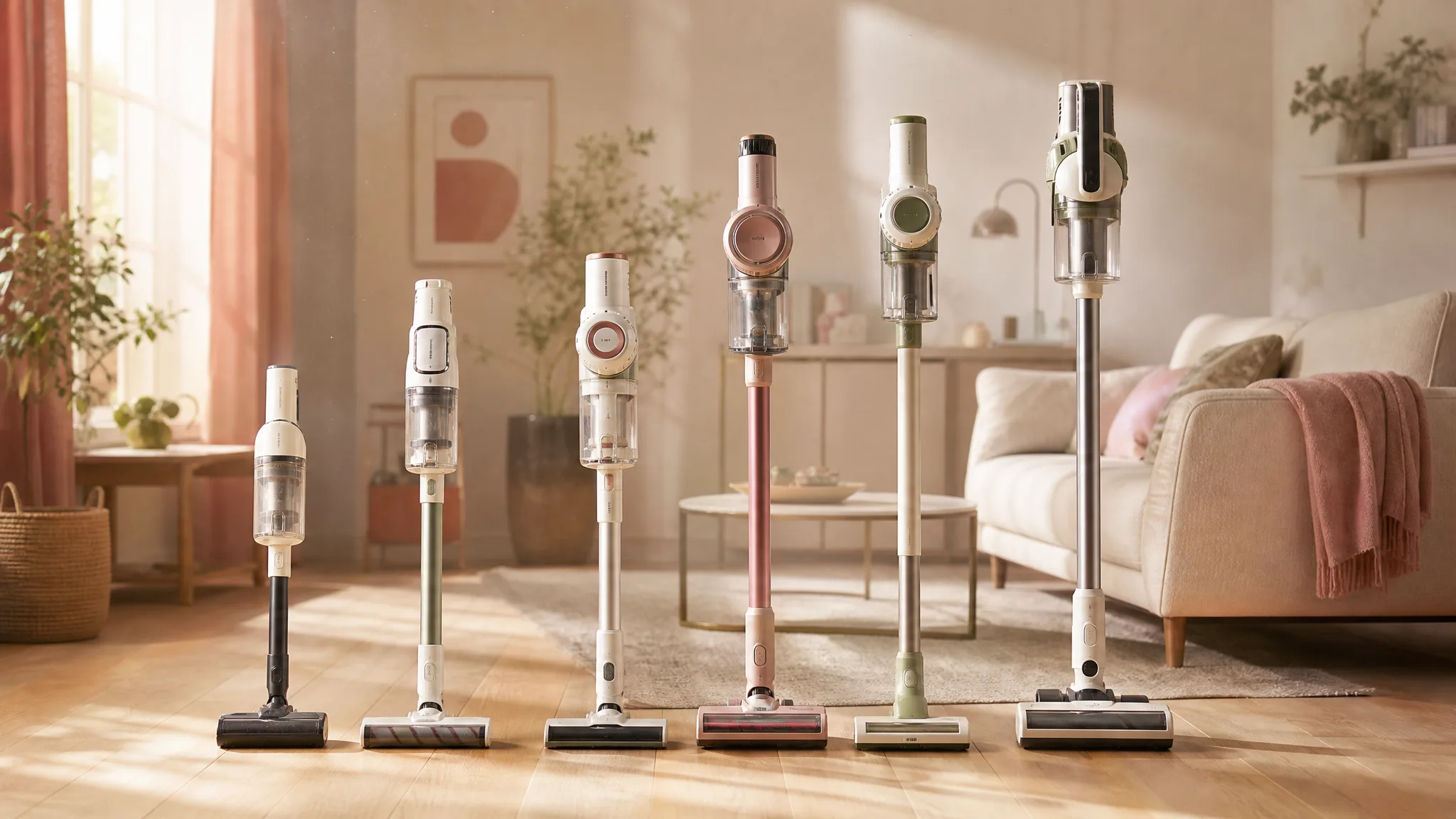
6 Best Cordless Vacuums for Busy Homes (2026): Reviewed From Budget to Premium
We compared 6 cordless vacuums based on owner feedback, from a $98 budget stick to Dyson's most powerful, and ranked the honest picks for every floor, pet, and budget.
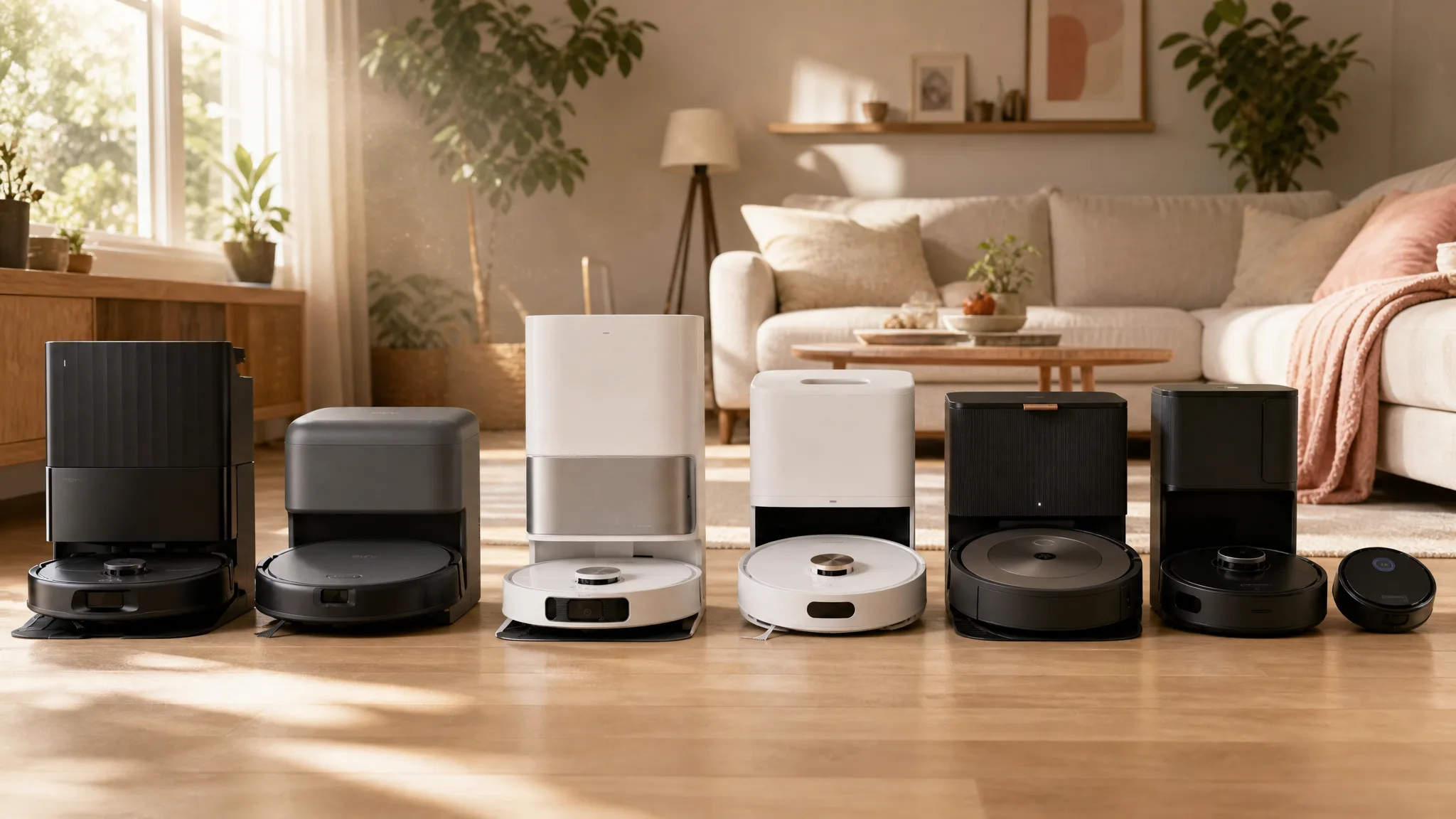
7 Best Robot Vacuums of 2026: Self-Emptying Picks for Every Budget
We compared 7 self-emptying robot vacuums based on owner feedback. Honest picks for every budget, from a $170 no-frills cleaner to all-in-one mopping docks that handle everything.
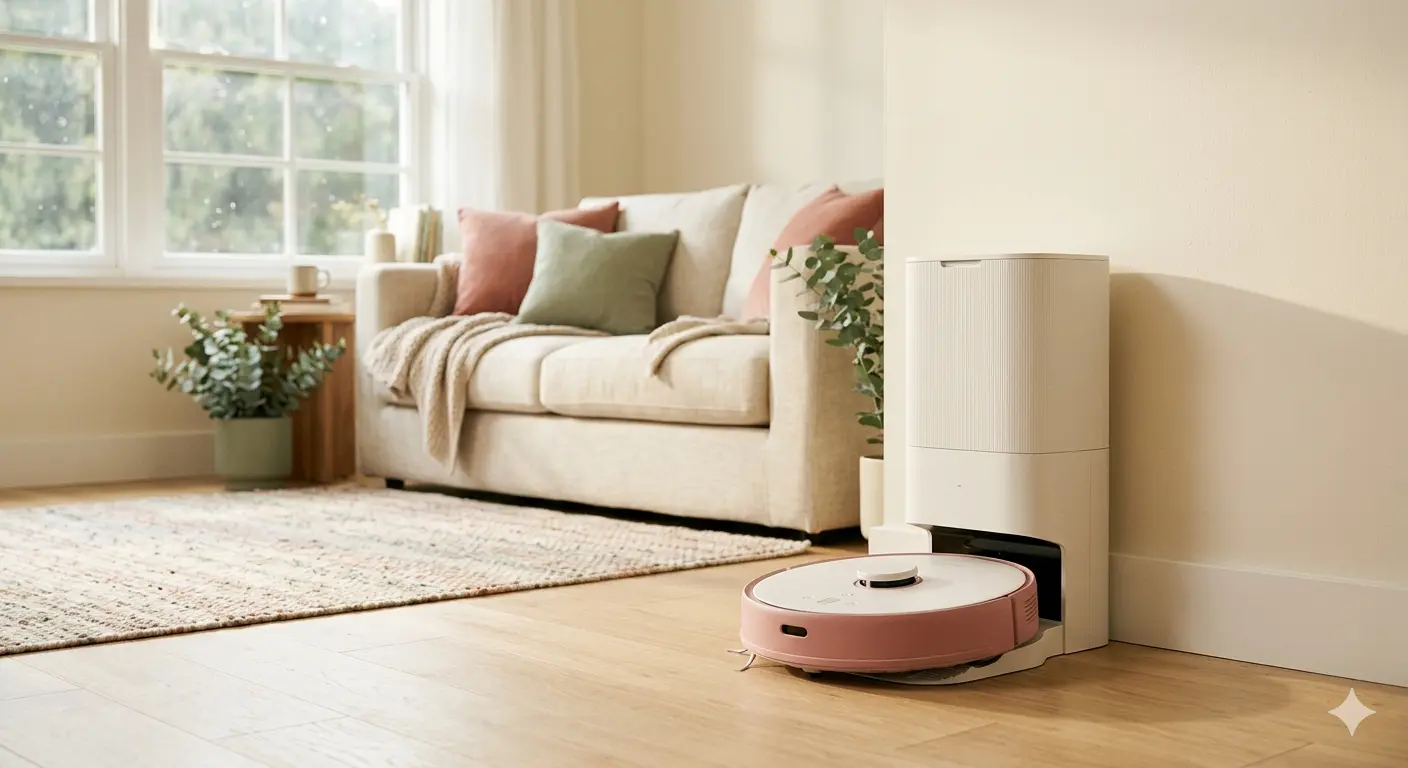
6 Best Self-Emptying Robot Vacuums for Busy Homes (2026)
We compared six self-emptying robot vacuums that go weeks without a touch. Honest picks for busy homes, from a slim Eufy to a self-washing mop dock from Roborock.